AI Scams and Deepfakes in 2026: How to Spot Cloned Voices and Phishing Attacks

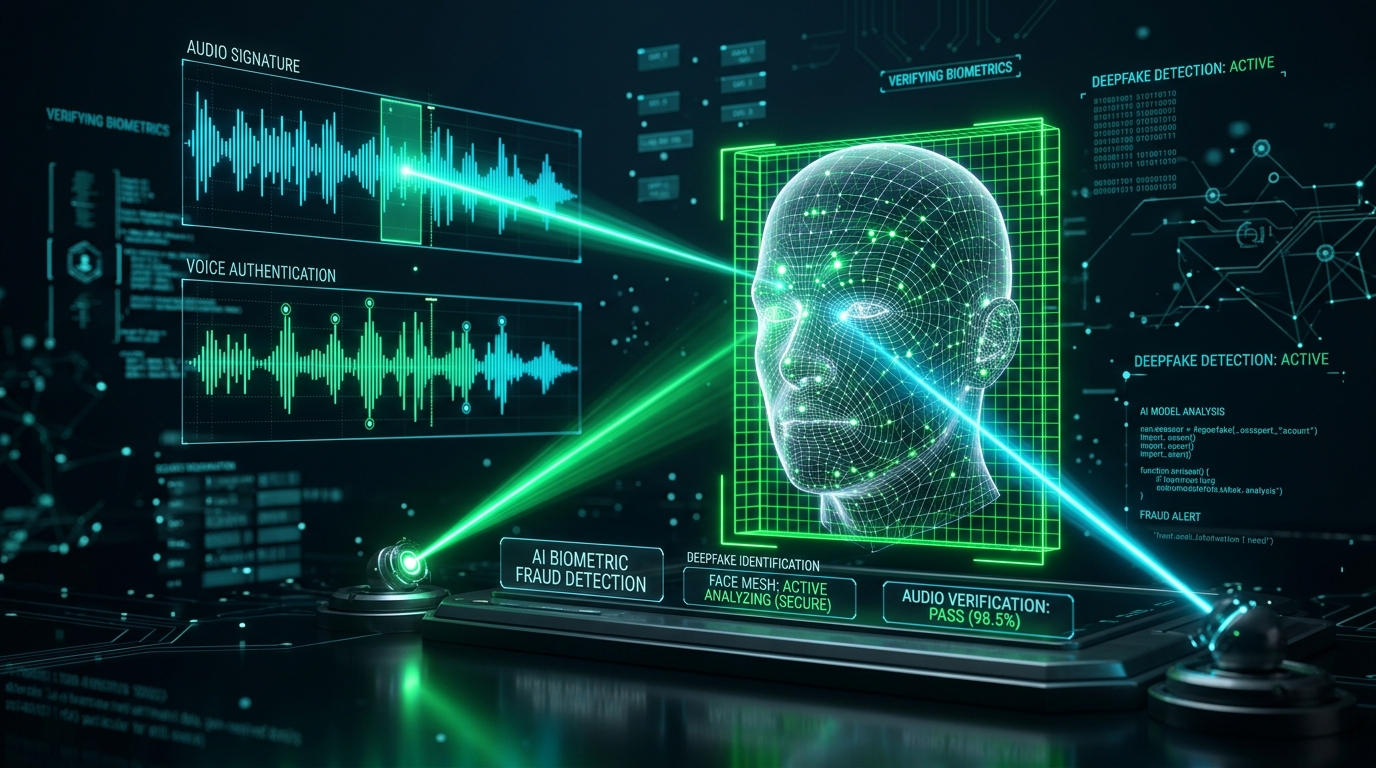
Cyber fraud has entered a sophisticated era. Gone are the days of poorly written spam emails with obvious typos. Today, bad actors leverage generative AI to draft flawless corporate phishing and synthesize human voices from brief audio clips scraped from social networks.
1. High-Threat AI Scams in 2026
- Voice Cloning via Messaging Apps: Attackers emulate the exact voice, pitch, and cadence of a relative or business partner, sending urgent voice notes demanding instant funds for emergencies.
- Hyper-Targeted Business Email Compromise (BEC): AI crawls public company data and professional profiles to craft personalized invoice inquiries that closely resemble trusted vendors.
- Synthetic Video Endorsements (Deepfakes): Fabricated video clips of industry leaders and influencers endorsing fraudulent investment schemes.
2. Four Immediate Defenses Against AI Impersonation
- Family or Team Safe-Word: Agree on a private, offline passphrase with loved ones and colleagues. If an urgent financial request arrives via voice note, require the passphrase.
- Out-of-Band Phone Confirmation: Never send funds based solely on messaging apps. Place a standard cellular telephone call to the contact's verified phone number.
- Watch for Manufactured Urgency: AI fraud relies heavily on artificial deadlines to cloud rational judgment.
- Hardware or App-Based Multi-Factor Authentication: Secure all sensitive accounts with authenticator applications rather than vulnerable SMS codes.
PruPru Cybersecurity Guide
Read our in-depth advisory on locking down accounts and safeguarding personal communications against modern social engineering.
Review Security Checklist →Frequently Asked Questions
How much audio sample is required to clone a human voice?
Advanced deep learning acoustic models can synthesize a convincing voice replica using as little as 3 to 5 seconds of clear reference audio.
Can AI detector apps spot deepfake voices on phones?
Consumer automated detectors remain imperfect. Direct verification through a second communications channel remains the golden rule of defense.